Sri Lanka feeds you differently from the moment you land. The staples are coconut milk, rice and spices, but what gets built from those three things across the island’s regions, kitchens and street stalls is far more varied than the shortlist suggests.
Ceylon cinnamon, black pepper, cardamom, clove, nutmeg and turmeric run through most of what you will eat here, and the Dutch and Indian influences that shaped the cuisine over centuries show up in ways that are still easy to trace.
I have eaten my way through a good portion of this list across different parts of the island, and these are the dishes worth going out of your way for.
Read also: 7 Best Islands in Sri Lanka: Beautiful Beaches & Secret Spots
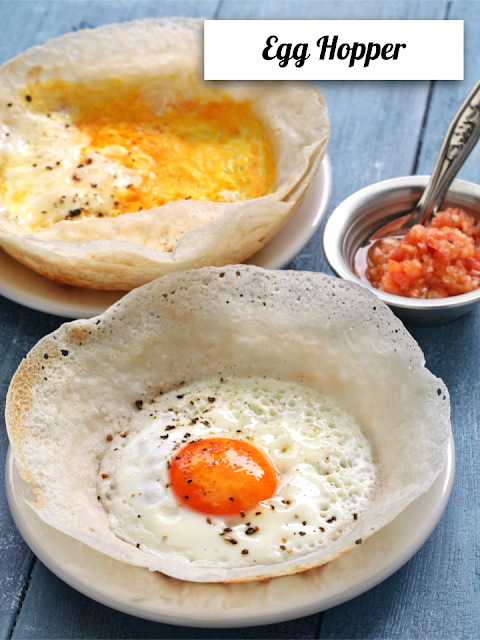
Egg Hopper
The egg hopper is the dish that most visitors eat on their first morning in Sri Lanka and spend the rest of the trip trying to recreate. Made from a lightly fermented batter of rice flour and coconut milk, it is cooked in a small curved pan called an appachatti, which gives it the distinctive thin, crispy-edged bowl shape.
As the batter sets, a single egg is cracked into the centre and cooked through. The result is crisp at the rim, soft in the middle, and mild enough to work with almost anything alongside it. In Sri Lanka it is known as appam, and it is served at breakfast and dinner with curries, pol sambol or lunu miris. Order at least two.
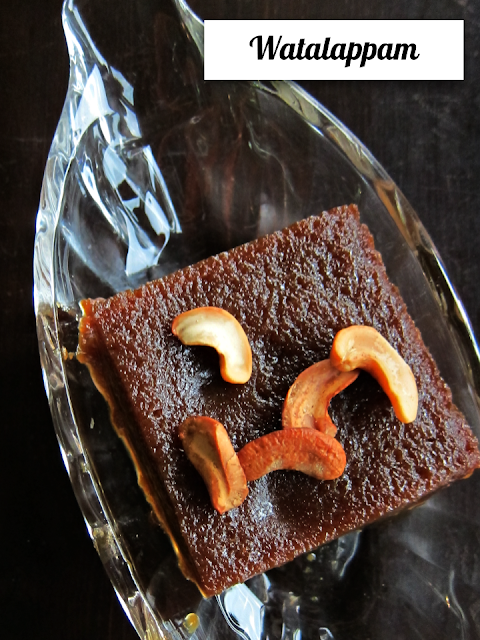
Watalappan
Sri Lanka’s most celebrated dessert is a coconut custard pudding made from condensed coconut milk, jaggery, eggs and cashew nuts, spiced with cardamom, clove, nutmeg and vanilla.
The texture sits somewhere between a steamed pudding and a firm custard, and the sweetness comes entirely from the jaggery rather than refined sugar, which keeps it from being cloying. It appears on menus across the island and is a fixture at social celebrations and religious festivals.
Despite occasionally being described as having Malaysian origins, it is deeply embedded in Sri Lankan food culture and has been for generations.
Lunumiris
This is the condiment that earns its place on the table at nearly every meal. Ground black pepper and dried chilli are pounded together with red onions and lime juice, with umbalakada, or Maldive fish, added for umami depth. The Maldive fish is Sri Lanka’s equivalent of Southeast Asia’s dried shrimp, and it transforms the sambal from sharp to complex.
A vegetarian version without the fish is equally common and loses none of the heat. Lunumiris is served alongside rice and curry, hoppers and kiribath, and it is one of those preparations that varies meaningfully from kitchen to kitchen.

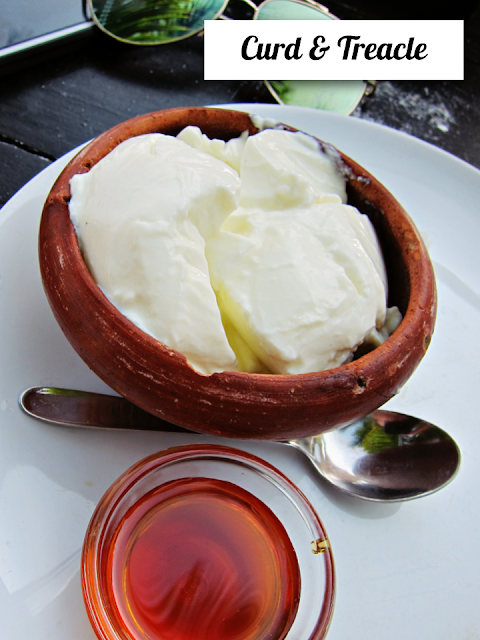
Curd and Treacle
Buffalo milk curd sold in clay pots by the roadside is one of those Sri Lankan things you stumble across rather than plan for. The curd, known as mee kiri, is thick, tangy and not unlike Greek yogurt in texture.
The treacle is palm treacle, or kitul peni, made by tapping the sap from the flowers of the kithul palm, a practice that has been part of Sri Lankan life for over two thousand years. Poured over the curd, the result is simple and quietly excellent. You will find it at street stalls in the south and at gourmet restaurants alike, and it tastes better at the roadside.
Pol Roti
A flatbread made from coarsely grated coconut, flour, green chillies and onions, pol roti is cooked on a griddle and served fresh. The coconut gives it a chewiness that plain roti does not have, and the chilli and onion run through every bite.
It is a breakfast staple across the island and one of the most practical things to eat on the move. Pair it with a curry, a sambol, or nothing at all. It is one of the must try food in Sri Lanka worth trying during a visit.

Kiribath
Kiribath, or milk rice, is short grain rice cooked slowly in coconut milk until it reaches a thick, creamy consistency, then pressed flat and cut into diamond shapes. It is eaten to mark new beginnings in Sri Lanka: the first day of each month, the new year, weddings, new jobs, new houses.
The flavour is mild and faintly sweet, and it is almost always served with lunu miris alongside it. You will find it at hotel breakfasts, temple stalls in Kandy in the early morning, and at restaurants like Nuga Gama in Colombo, where it is served beneath a banyan tree in a setting designed to feel like a village.

Nadu and Samba Rice
Basmati does not feature heavily on the Sri Lankan table. The local preference is for Nadu, a parboiled rice with a lower glycaemic index than basmati, and Samba, a short grain variety with a slightly starchier texture. Red rice, with its nuttier, more pronounced flavour, is also widely eaten.
Understanding which rice accompanies which dish is part of understanding Sri Lankan food properly, and the difference between a plate of rice and curry eaten with the right rice versus the wrong one is more noticeable than you might expect. It stands among the must try food in Sri Lanka for travellers.

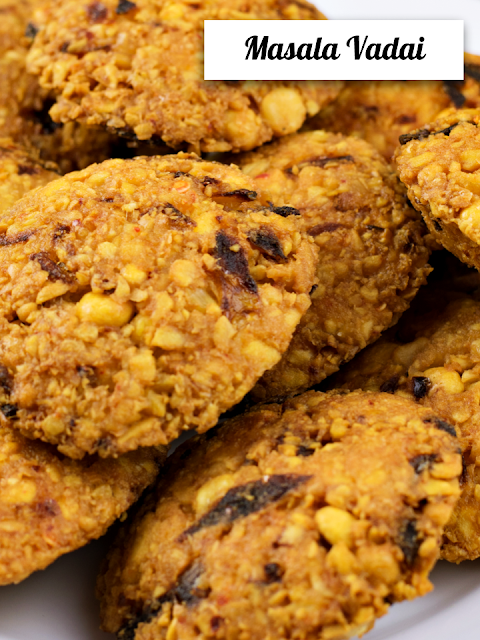
Masala Vadai
These oval-shaped lentil fritters are bought by the bag at tea shacks and roadside stalls and eaten while still hot.
The outside is crunchy, the inside dense and spiced, and they are at their best with a simple coconut chutney or sambar on the side. They are a street food in the most practical sense: fast, cheap and eaten standing up.
Kottu Roti
The sound of kottu being made announces itself before you see it. Shredded godamba roti, Sri Lanka’s version of paratha, is stir-fried on a flat griddle with egg, vegetables and spices, the metal blades chopping everything together in a rhythm you can hear from the street. Meat and cheese are optional additions.
The dish originated in Batticaloa and has since become one of the most consumed everyday foods on the island. It is fast food in the original sense, and it is very good. It is one of the must try food in Sri Lanka known for its flavours.

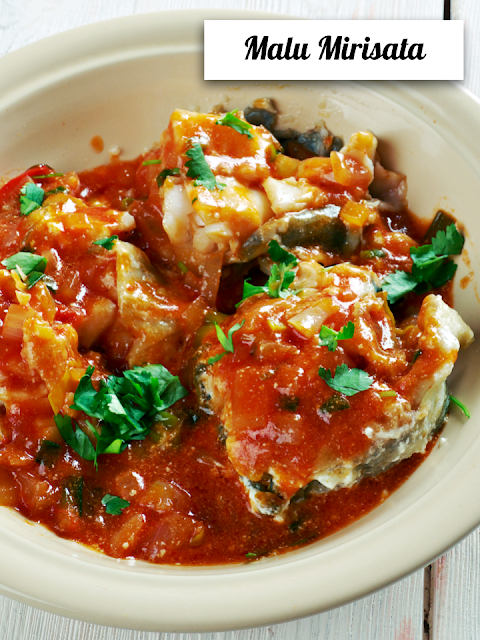
Malu Mirisata
A spicy fish curry made without coconut milk, which sets it apart from the majority of Sri Lankan curries. The absence of coconut milk means there is nothing to temper the heat or dilute the spices, and the result is a drier, more concentrated curry that hits harder.
It is typically eaten with steamed rice or idiyappam. If you have been eating mildly, this is the dish that recalibrates your palate. It is often included in lists of must try food in Sri Lanka.
Thembili or King Coconut
The king coconut is native to Sri Lanka and distinct from the regular coconut in both appearance and flavour. It is smaller, bright orange and slightly sweeter, and its water has been used in Ayurvedic practice for centuries for hydration and recovery.
You will see vendors along roadsides across the island selling them for around 50 to 100 LKR. In the heat, it is the most practical thing you can drink, and considerably better than anything bottled. It remains one of the must try food in Sri Lanka for those exploring local cuisine.

Idiyappam
String hoppers are steamed discs of rice noodles, made by pressing ragi or rice flour dough through a mould to create thin strands. They are typically a breakfast or dinner dish, served with dhal curry, coconut milk curry and sambol.
The texture is light and the flavour neutral, which makes them an effective vehicle for the stronger flavours alongside them. They are among the most commonly eaten dishes in the country and are easy to find everywhere from home kitchens to hotel buffets. It is one of the must try food in Sri Lanka for first time visitors.

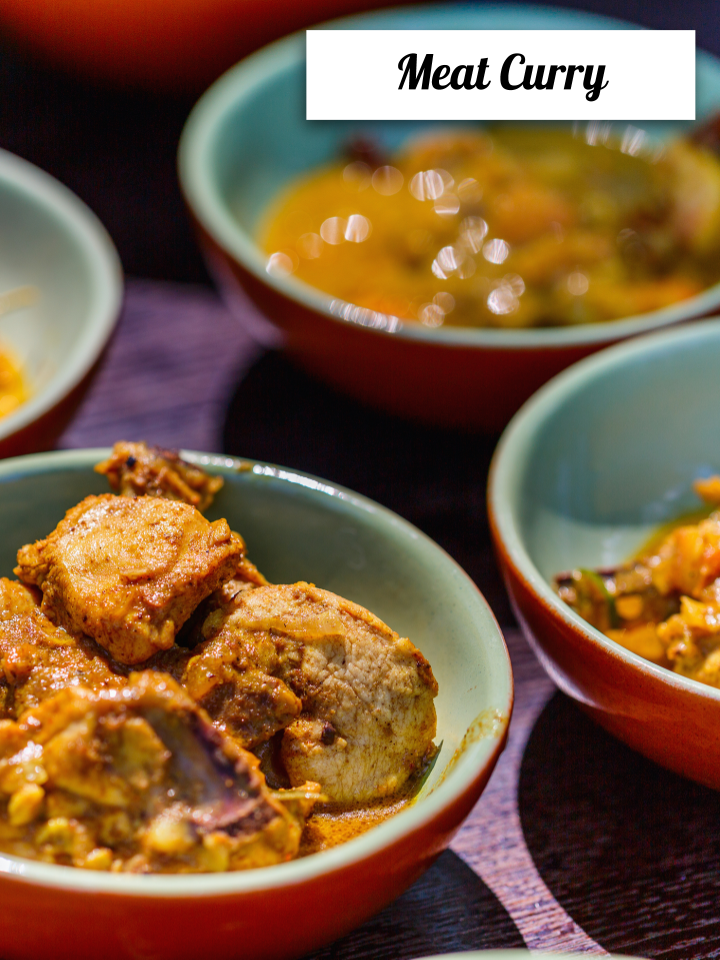
Sri Lankan Curry
Sri Lankan curry differs from its Indian counterpart primarily through the addition of coconut milk, which produces a thicker, creamier gravy and a milder heat profile.
Curries here are classified broadly as white, red or black: white curries are the mildest, built on coconut milk and turmeric with little chilli; red curries are spiced and typically used for meat; black curries are drier and more intensely flavoured, with pork being a common preparation.
Beef is largely absent from menus given the cultural significance of the cow. A full plate of rice and curry in Sri Lanka, with several curries alongside it, remains one of the best value meals in Asia.
Discovering Must Try Food in Sri Lanka
Sri Lanka’s food culture runs deeper than any single dish or restaurant can represent. The further you move from the tourist trail, the better the eating gets: a roadside curd stall in the south, a kottu cart operating past midnight in Colombo, a woman making hoppers to order in a guesthouse kitchen in Kandy.
This list of must try food in Sri Lanka is not a checklist so much as a reason to keep moving through the island. Come hungry and leave room for seconds.
Love stories like this? Subscribe to the Rolling Grace newsletter for thoughtful travel notes, hidden dining gems, and slow discoveries from across Asia.
Leave a Reply